
.png)
Hip replacement surgery is one of the most successful orthopedic procedures for relieving chronic hip pain and restoring mobility. Whether the surgery is performed due to osteoarthritis, rheumatoid arthritis, fractures, or other joint conditions, recovery is a gradual process that requires patience, rehabilitation, and proper medical guidance.
Many patients worry about how long it will take before they can walk comfortably, return to work, or resume daily activities. While every individual's recovery varies with age, overall health, and commitment to physiotherapy, understanding the typical recovery timeline can help set realistic expectations.
If you're searching for the best orthopedic doctor in Noida, knowing what to expect after hip replacement surgery can help you prepare for a smoother, more confident recovery.
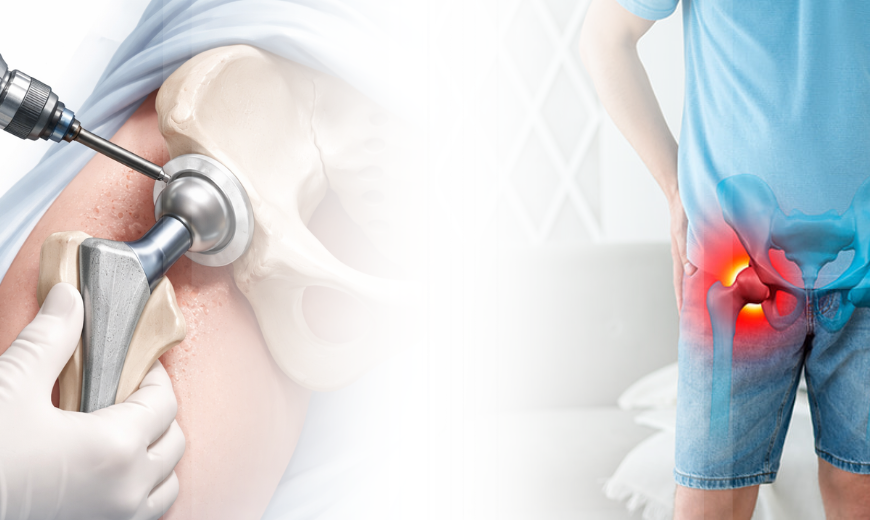
Hip replacement, also known as total hip arthroplasty, involves replacing the damaged portions of the hip joint with artificial implants made of durable materials such as metal, ceramic, or high-grade plastic.
The procedure aims to:
Although the surgery itself typically lasts a few hours, complete recovery takes several months and requires consistent rehabilitation.
Immediately after surgery, patients are monitored in the recovery room until the effects of anesthesia wear off.
During this time:
Many patients are surprised to learn that walking often begins on the same day or within 24 hours after surgery with the assistance of a physiotherapist.
The first week focuses on pain management, wound care, and gentle mobility.
During this period, patients usually:
Mild swelling, bruising, and discomfort are completely normal during the first few days.
Patients are also advised to:
By the second and third weeks, most patients notice gradual improvements in mobility and pain levels.
During this phase:
Many patients can independently perform simple household tasks such as:
Regular physiotherapy remains one of the most important aspects of recovery.
People looking for the best orthopedic doctor in Noida should also choose a surgeon who emphasizes personalized rehabilitation, as postoperative care significantly influences long-term outcomes.
Around one month after surgery, many patients experience noticeable improvements in strength and flexibility.
Common milestones include:
Depending on their recovery, some patients may also:
However, high-impact movements should still be avoided.
This period often marks significant functional improvement.
Most patients can:
Low-impact exercises such as:
may be recommended to improve muscle strength and joint flexibility.
The recovery speed varies from person to person, so comparisons with others should be avoided.
By this stage, most patients experience dramatic improvements in both mobility and quality of life.
Many individuals can comfortably:
Hip stiffness continues to decrease, while muscle strength gradually improves with ongoing exercise.
Patients consulting the best orthopedic doctor in Noida are generally encouraged to maintain regular follow-up appointments to monitor implant function and overall recovery.
Although most daily activities resume much earlier, complete healing continues for up to one year.
During this period:
Many individuals report that they can perform activities they had avoided for years because of severe hip pain.
Every patient's recovery timeline is unique. Several factors can affect how quickly healing occurs.
These include:
Younger individuals often recover more quickly, although older adults can also achieve excellent outcomes with proper rehabilitation.
Conditions such as diabetes, obesity, heart disease, or osteoporosis may influence recovery speed.
Stronger muscles before surgery often support faster rehabilitation afterward.
Regular exercise is essential for restoring movement, improving strength, and preventing stiffness.
A balanced diet rich in protein, vitamins, calcium, and adequate hydration supports tissue healing.
Patients who follow activity restrictions, medication schedules, and rehabilitation plans generally experience smoother recoveries.
To support healing after hip replacement surgery:
Small daily improvements often lead to significant long-term success.
While mild discomfort and swelling are expected, immediate medical attention is necessary if you experience:
Early evaluation can help prevent serious complications.
Hip replacement surgery has transformed the lives of millions of people suffering from chronic hip pain and limited mobility. While recovery requires dedication, patience, and consistent rehabilitation, most patients regain independence and return to an active lifestyle within a few months.
Understanding the recovery timeline helps reduce anxiety and prepares patients for each stage of healing. From taking the first steps after surgery to enjoying pain-free movement months later, every milestone brings you closer to a healthier and more active life.
If you're considering hip replacement surgery, consulting the best orthopedic doctor in Noida can help you receive a personalized treatment plan, expert surgical care, and comprehensive rehabilitation guidance for the best possible outcome.
1. How long does hip replacement recovery take?
Most patients recover significantly within 3–6 months, while complete healing may take up to one year.
2. When can I walk after hip replacement surgery?
Many patients begin walking with assistance on the same day or within 24 hours after surgery.
3. When can I drive again?
Driving is usually possible after 4–6 weeks, depending on recovery and your surgeon's advice.
4. Is physiotherapy necessary after hip replacement?
Yes. Physiotherapy is essential for restoring strength, flexibility, and normal movement.
5. Can I return to sports after hip replacement?
Low-impact activities like walking, swimming, and cycling are generally recommended after recovery, while high-impact sports should be discussed with your orthopedic surgeon.







.png)
.png)
.png)
.png)
.png)
.png)