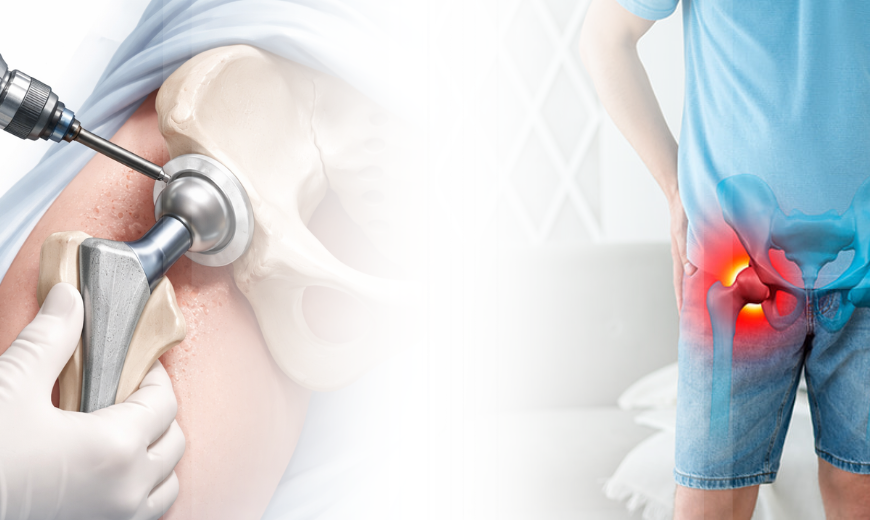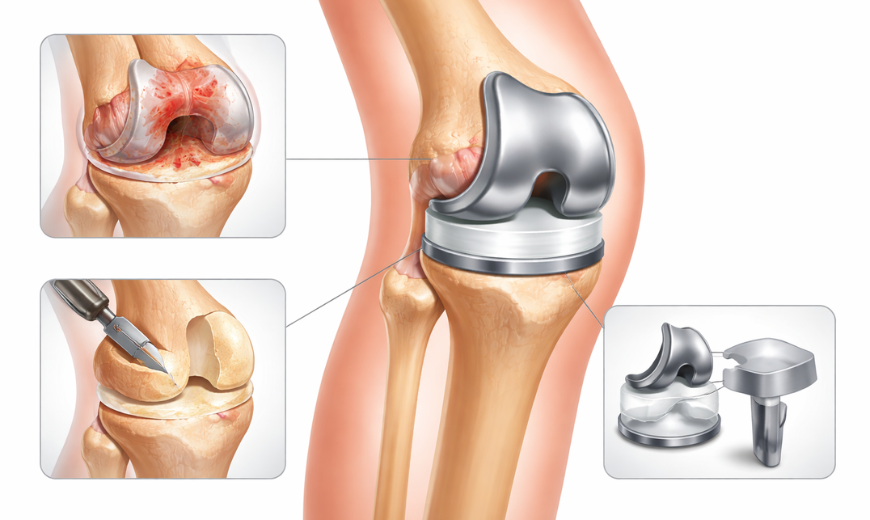

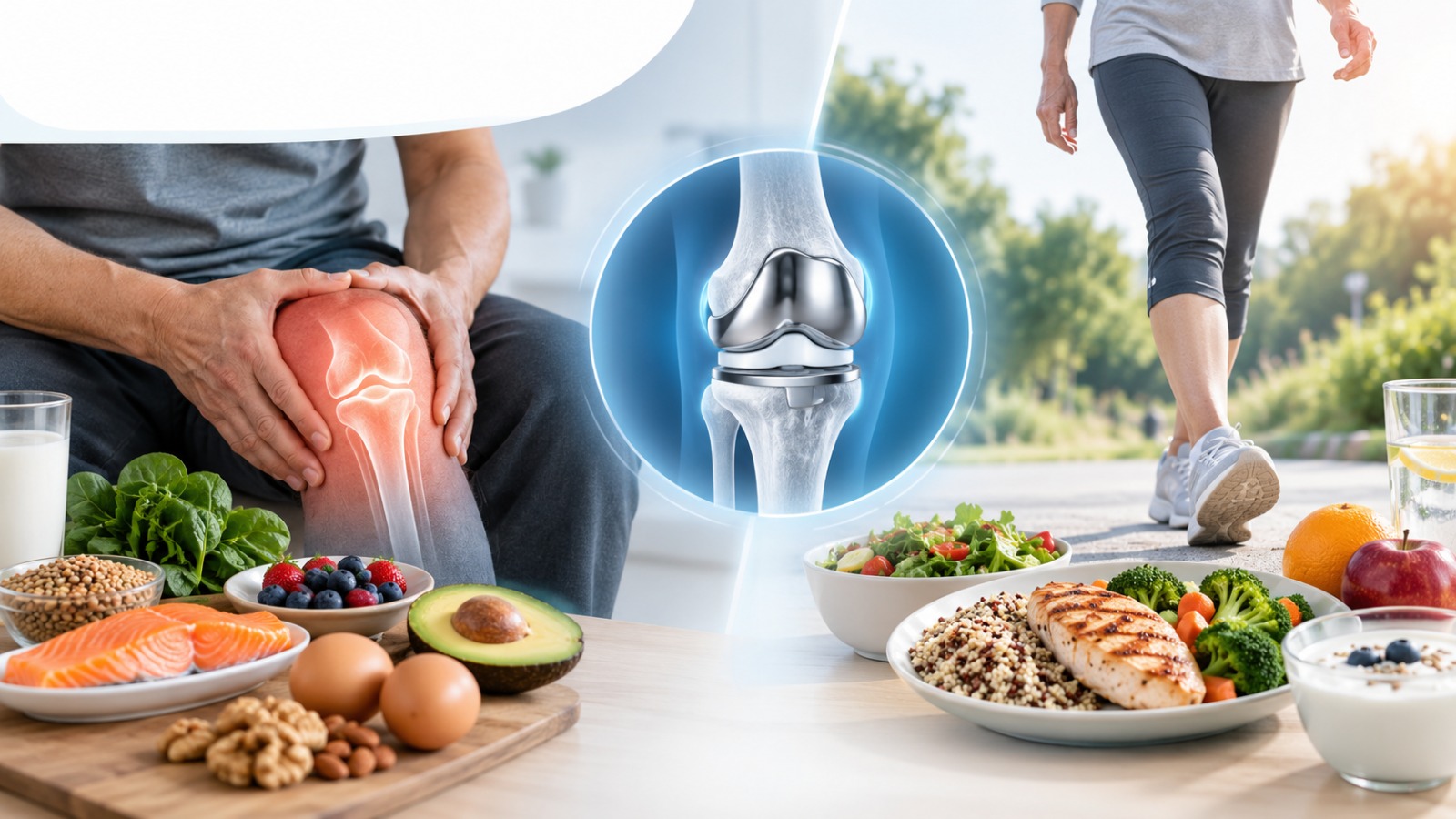
Joint replacement surgery, whether it is a knee replacement, hip replacement, or another major joint procedure, can significantly improve mobility and quality of life. However, successful recovery does not depend only on the surgical procedure and physiotherapy. Diet and nutrition before and after joint replacement surgery also play an important role in wound healing, muscle preservation, bone health, energy levels, and rehabilitation.
A well-balanced diet helps prepare the body for surgery and provides the nutrients needed during recovery. Adequate protein, calories, vitamins, minerals, fluids, and overall nutritional health can support the body's healing process.
The body experiences physical stress during surgery. Preparing nutritionally beforehand can help ensure that the body has adequate energy and nutrients available for healing.
Patients planning joint replacement should focus on:
Good nutrition before surgery may help maintain muscle strength, support immune function, and promote proper wound healing. Nutritional preparation is particularly important for people who have poor appetite, unintended weight loss, anemia, diabetes, or other conditions that can affect nutritional health.
For personalized preparation and surgical guidance, consulting the best orthopedic doctor in Noida can help patients understand how their diet, medical conditions, medications, and planned procedure may affect recovery.
Protein is one of the most important nutrients before and after joint replacement surgery. Surgery and reduced physical activity can contribute to muscle loss, while the body needs protein to repair tissues and support healing.
Good protein sources include:
Try to include a protein-rich food with each major meal. Patients with increased nutritional requirements may benefit from an individualized protein plan prepared by their doctor or dietitian.
Maintaining muscle strength is particularly important after knee or hip replacement because strong muscles support mobility and participation in physiotherapy.
Iron plays an important role in maintaining healthy red blood cells and transporting oxygen throughout the body. Low iron levels or anemia before surgery should be identified and appropriately managed.
Iron-rich foods include:
Combining plant-based iron sources with vitamin C-rich foods can improve iron absorption. Examples include adding lemon to meals or eating oranges, guava, tomatoes, or bell peppers.
If blood tests show iron deficiency or anemia, supplements may sometimes be recommended. However, iron supplements should be taken only after medical evaluation and according to professional advice.
Calcium and vitamin D are important nutrients for maintaining healthy bones. Vitamin D also helps the body absorb calcium and supports normal muscle function.
Useful calcium sources include:
Sources of vitamin D include fatty fish, egg yolks, fortified foods, and appropriate sunlight exposure.
Vitamin D deficiency can be common among people undergoing joint replacement. Your doctor may recommend a blood test and supplementation if you have a deficiency.
A consultation with the best orthopedic doctor in Noida can help identify nutritional deficiencies that may need attention before surgery.
Vitamin C contributes to collagen formation and supports normal tissue repair. Zinc is also involved in wound healing and immune function.
Include foods such as:
Rather than depending only on supplements, aim to obtain vitamins and minerals from a varied and balanced diet whenever possible.
After surgery, nutritional needs remain important because the body is actively repairing tissues and rebuilding strength.
A balanced postoperative meal can include:
Protein: Eggs, fish, chicken, paneer, dal, or tofu
Vegetables: Leafy greens, carrots, beans, broccoli, and other seasonal vegetables
Whole grains: Oats, brown rice, whole-wheat roti, or quinoa
Fruits: Oranges, apples, berries, guava, or papaya
Healthy fats: Nuts, seeds, and suitable plant oils
Dairy: Milk, yogurt, or other calcium-rich foods
If appetite is low, smaller and more frequent meals may sometimes be easier than eating three large meals.
Adequate fluid intake is an essential part of recovery. Water supports normal body functions and can help reduce constipation, which may occur because of pain medications and reduced mobility.
Unless your doctor has prescribed a fluid restriction, drink fluids regularly throughout the day. Water, soups, and other appropriate beverages can contribute to hydration.
Constipation can occur after surgery because of reduced physical activity, changes in diet, and certain pain medications.
High-fiber foods include:
Increase fiber gradually and drink enough fluids unless your medical team has advised otherwise.
There is no single diet that is suitable for every joint replacement patient. However, limiting foods that provide excess calories but few essential nutrients can support overall health during recovery.
Try to reduce:
Instead, focus on fresh, nutrient-dense foods that provide protein, vitamins, minerals, and healthy fats.
Not every joint replacement patient needs nutritional supplements. Vitamin D, iron, calcium, or other supplements may be appropriate when a deficiency or increased nutritional requirement has been identified.
Some supplements can interact with medicines or affect surgery-related care. Therefore, tell your orthopedic surgeon about all vitamins, herbal products, protein supplements, and other dietary supplements you take.
Do not start high-dose supplements without medical advice. Your healthcare team can determine whether supplementation is necessary based on your medical history and test results.
Good nutrition and physiotherapy complement each other during joint replacement recovery. Protein and adequate calories help support muscle maintenance, while physiotherapy helps restore strength, flexibility, balance, and mobility.
Following your surgeon's rehabilitation plan while maintaining a nutritious diet can create a stronger foundation for recovery.
Patients considering joint replacement can discuss their individual nutritional requirements with the best orthopedic doctor in Noida, particularly if they have diabetes, anemia, obesity, kidney problems, poor appetite, or other health conditions.
Diet and nutrition before and after joint replacement surgery should be considered an important part of the overall recovery plan. A balanced diet rich in protein, fruits, vegetables, whole grains, calcium, vitamin D, iron, vitamin C, and adequate fluids can support healing and help maintain strength during rehabilitation.
However, nutritional requirements vary from person to person. Your orthopedic surgeon and dietitian can provide recommendations based on your health, laboratory results, medications, body weight, and type of joint replacement.
For patients seeking personalized orthopedic care, consulting the best orthopedic doctor in Noida can be an important step toward preparing for surgery and planning recovery.
This article is for general educational purposes and does not replace personalized medical advice. Always follow your surgeon's specific instructions regarding fasting, medications, supplements, and postoperative diet.
Focus on protein-rich foods, vegetables, fruits, whole grains, healthy fats, and adequate fluids.
Yes. Protein supports tissue repair and helps maintain muscle during recovery.
Not everyone needs supplementation. Your doctor may recommend testing and supplementation if you are deficient.
Stay hydrated, eat fiber-rich foods, and follow your doctor's advice regarding activity and medications.
Only take supplements recommended by your healthcare team, as some may interfere with surgery or medications.






.png)
.png)
.png)
.png)
.png)
.png)
.png)