
Knee arthritis is one of the most common causes of joint pain and reduced mobility, especially as people age. However, it is not just an age-related condition. Younger adults may also develop arthritis due to previous injuries, obesity, genetics, or certain medical conditions. Recognizing the early signs of knee arthritis can help you seek timely treatment, reduce pain, and slow the progression of the disease.
If you are experiencing persistent knee discomfort, consulting the Best Orthopedic Surgeon in Noida can help identify the underlying cause and recommend the most appropriate treatment before the condition worsens.
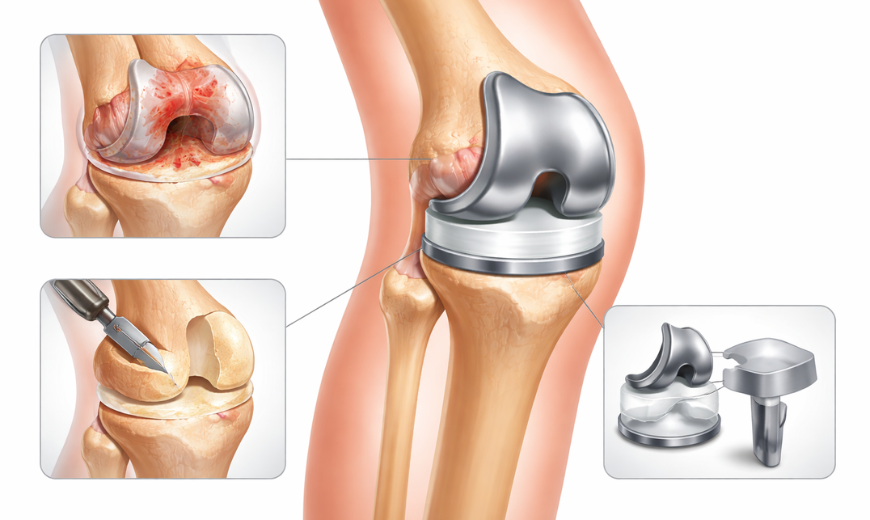
Knee arthritis occurs when the protective cartilage that cushions the ends of the bones gradually wears away. As the cartilage becomes thinner, the bones begin to rub against each other, causing pain, stiffness, swelling, and difficulty in movement.
The most common type is osteoarthritis, but rheumatoid arthritis and post-traumatic arthritis can also affect the knee joint.
One of the earliest symptoms is mild but recurring knee pain. Initially, the discomfort may only appear after walking long distances, climbing stairs, or standing for extended periods. Over time, the pain may become more frequent and severe.
If your knee feels stiff when you wake up or after sitting for a long time, it could be an early indication of arthritis. The stiffness usually improves after a few minutes of gentle movement but may return after periods of inactivity.
Inflammation inside the joint may lead to swelling, making the knee appear puffy or feel warm to the touch. Swelling may increase after physical activity and gradually reduce with rest.
Many people notice a cracking, clicking, or grinding sound while bending or straightening the knee. This occurs because the cartilage surface becomes rough, allowing bones and tissues to move less smoothly.
Simple activities like climbing stairs, squatting, or getting up from a chair may become painful. Weakness and discomfort during these everyday movements are common early warning signs.
You may notice that your knee does not bend or straighten as easily as before. Limited flexibility can interfere with daily activities and worsen if left untreated.
Some people experience a sensation that the knee may "give way" while walking. This instability may result from weakened muscles or damage to the joint structure.
Several factors increase the likelihood of developing knee arthritis, including:
People with these risk factors should pay close attention to early symptoms and schedule regular orthopedic evaluations.
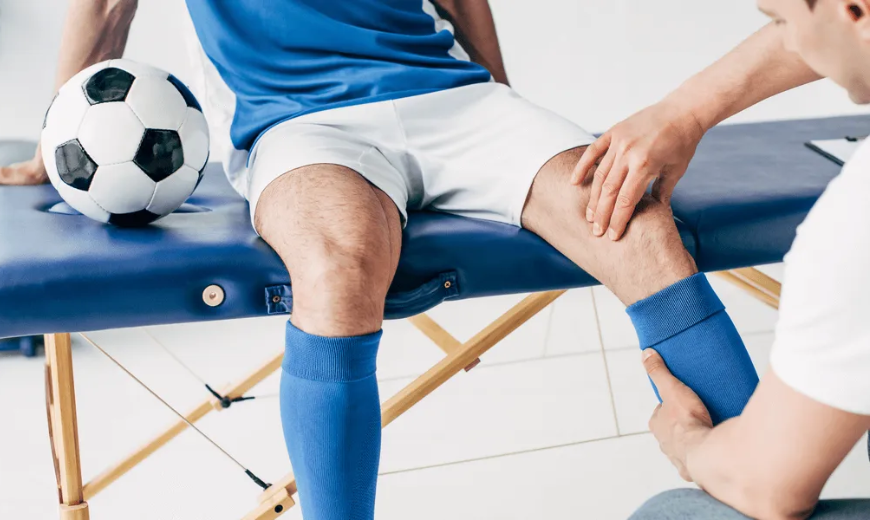
Diagnosis begins with a detailed medical history and physical examination. Your orthopedic specialist may recommend:
An accurate diagnosis helps determine the most effective treatment plan.
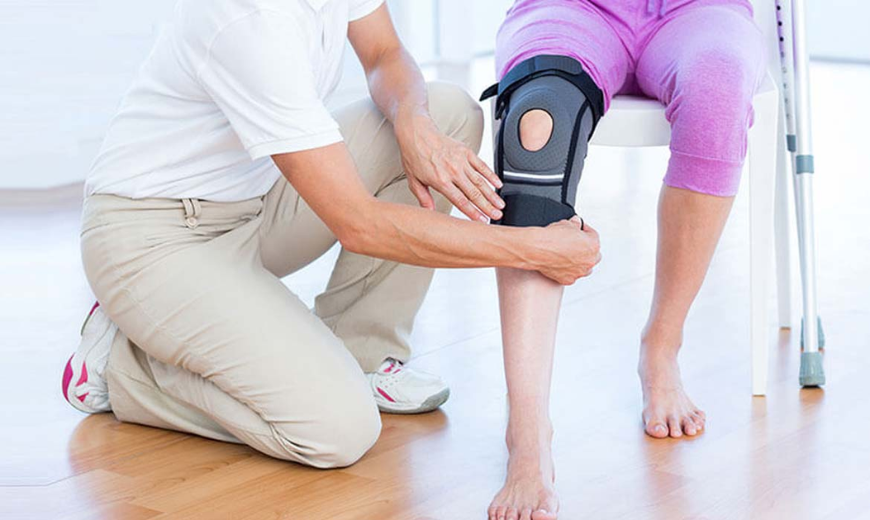
Early-stage knee arthritis can often be managed without surgery. Treatment may include:
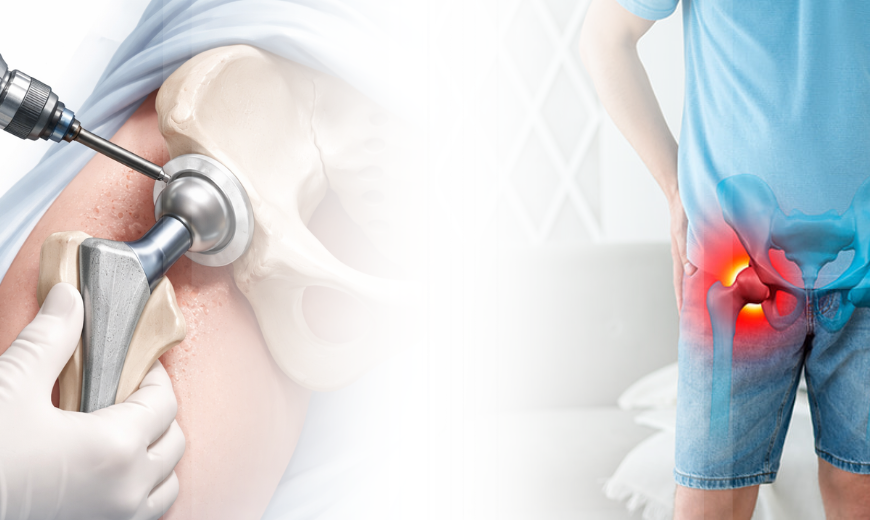
In advanced cases where conservative treatments no longer provide relief, surgical procedures such as knee replacement may be considered. Consulting the Best Orthopedic Surgeon in Noida ensures that you receive a personalized treatment plan based on the severity of your condition and your lifestyle needs.
Although arthritis cannot always be prevented, you can lower your risk by:
Regular check-ups with the Best Orthopedic Surgeon in Noida are especially beneficial if you have recurring knee pain or a family history of arthritis.
Early recognition of knee arthritis is the key to preserving joint function and maintaining an active lifestyle. Persistent pain, stiffness, swelling, or reduced mobility should never be ignored, as early treatment can significantly slow disease progression and improve quality of life.
If you notice any of these symptoms, don't wait until the pain becomes severe. Seeking advice from the Best Orthopedic Surgeon in Noida can help you receive an accurate diagnosis, effective treatment, and expert guidance to keep your knees healthy for years to come.
FAQs
1. What are the first signs of knee arthritis?
Early signs include knee pain, morning stiffness, swelling, and difficulty climbing stairs.
2. Can knee arthritis occur at a young age?
Yes. Previous injuries, obesity, genetics, or autoimmune diseases can cause arthritis even in younger adults.
3. Is walking good for knee arthritis?
Yes, gentle walking and other low-impact exercises can help improve joint flexibility and reduce stiffness.
4. Can knee arthritis be treated without surgery?
Yes. Many patients benefit from physiotherapy, medications, weight management, and lifestyle changes before surgery is considered.
5. When should I see an orthopedic surgeon for knee pain?
If knee pain lasts for more than a few weeks, worsens over time, or limits your daily activities, consult an orthopedic surgeon for evaluation.






.png)
.png)
.png)
.png)
.png)